Category: WordPress

  • You don’t need a card reader to take payments in person

    You don’t need a card reader to take payments in person

    A lot of merchants read “WooPayments in-person payments are available in the US, UK, and Canada” and assume the rest of the world is locked out of selling at markets, fairs, and pop-ups.

    It’s not the limitation people think it is.

    The country restriction applies to the card reader hardware. It does not apply to taking a payment from a customer standing in front of you.

    The Woo mobile app already does that, anywhere, and it’s not tied to WooPayments. Any payment gateway your store already supports works the same way.

    Open the app.
    Build the order on the spot.
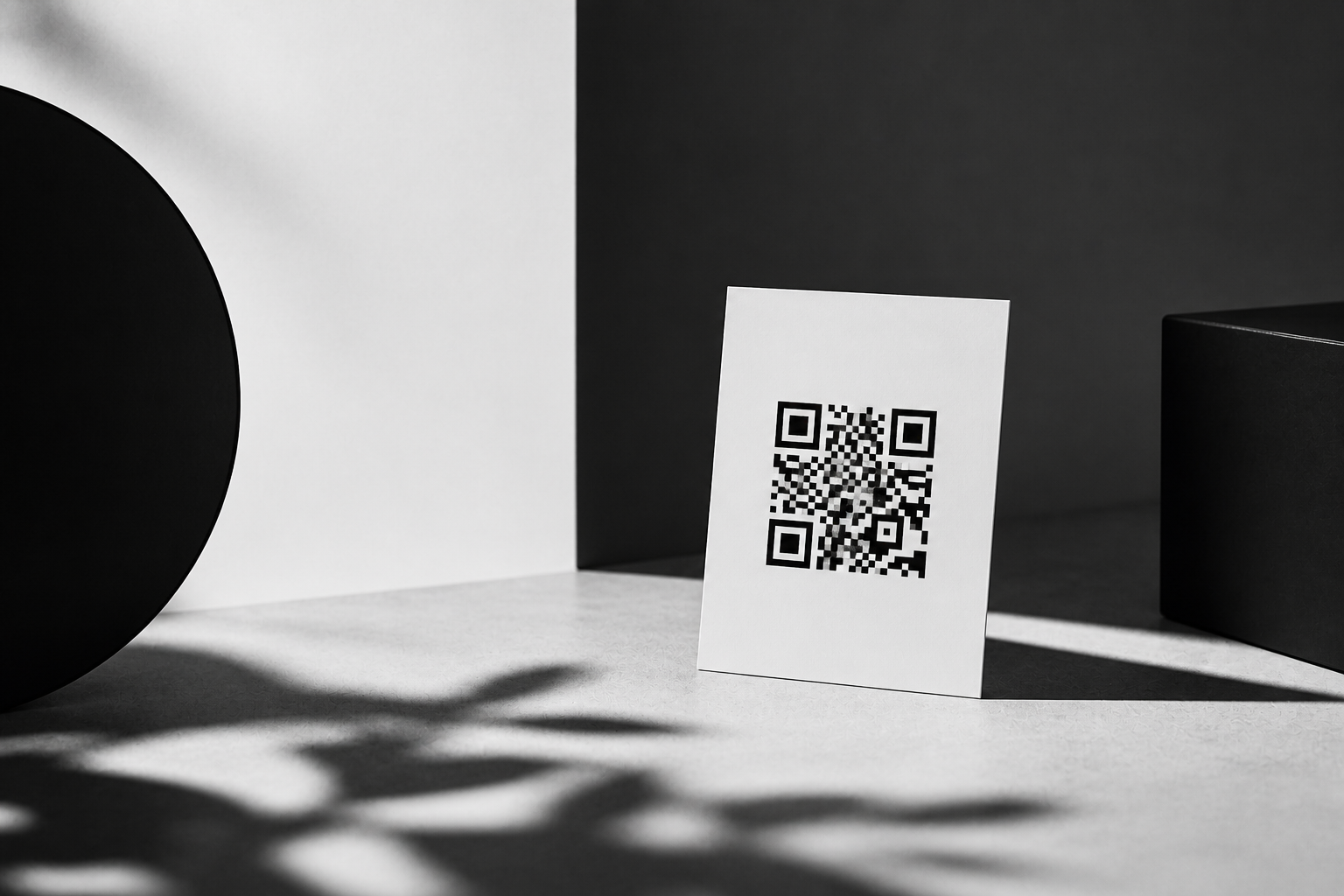
    Show the customer a QR code.
    They scan.
    They land on your checkout.
    They pay with whatever they already have on their phone: Stripe, PayPal, Klarna, Apple Pay, and cards.
    You see the order confirmed before they walk away.

    What this unlocks

    • Markets and fairs outside the supported countries
    • Any gateway your store accepts, not just WooPayments
    • Pop-up shops without ordering hardware
    • A backup flow when a reader battery dies
    • One-off events where buying a reader makes no sense
  • Why this blog finally exists

    Why this blog finally exists

    I used to think the thing holding me back was motivation. It wasn’t. It was alignment.

    For a long time, I didn’t publish because I couldn’t find a theme that matched how I wanted the site to feel. Most options were close, but never close enough. I wanted something clean, flat, and modern: quiet design, strong typography, and no visual noise.

    That gap mattered more than I expected.

    When the design feels wrong, writing feels harder.

    Every post starts to feel like it’s living inside someone else’s system instead of your own. So instead of publishing, I kept postponing.

    Not because I had nothing to say. Because the space didn’t feel ready for it.

    This time was different

    This time, I approached it differently.

    I used AI as a build partner and started with WordPress’s Twenty Twenty-Five as the foundation, then shaped it into what I had in mind: editorial spacing, restrained tones, dynamic templates, and a structure I can actually maintain.

    Not just a homepage that looks good in a screenshot, but a full publishing system: home, single posts, search, CV, navigation, and fully editable content.

    The result is simple. I removed the friction that kept me from starting. The theme now matches the way I think. And writing finally feels natural inside it.

    That’s why this post exists.